
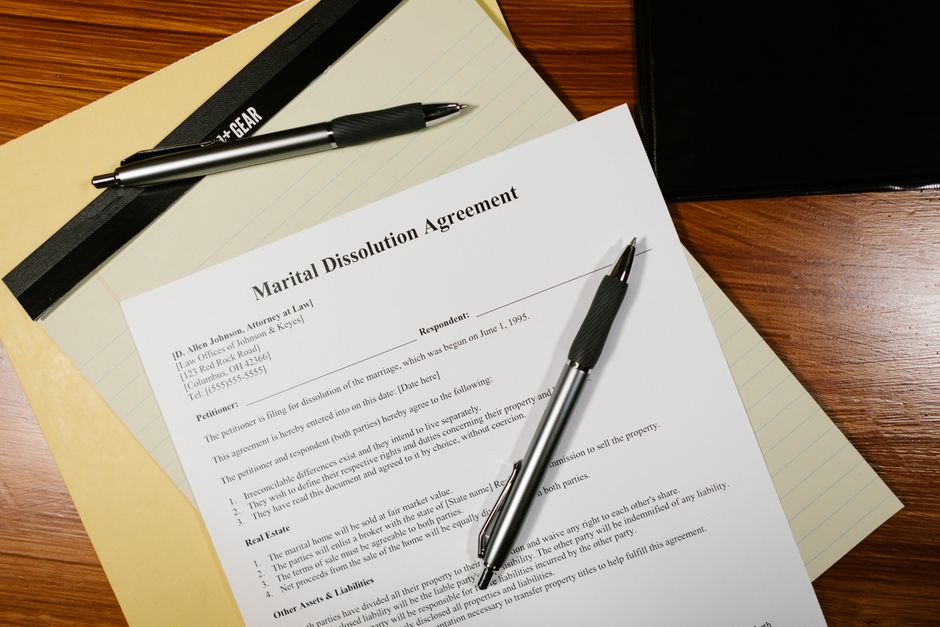
You have reached the end of your marriage, but your spouse will not agree to a divorce. Perhaps they refuse to sign anything, they say they will fight it, or they simply stop responding to your calls. It can feel like you are trapped in a marriage you no longer want to be in. Australian family law does not work that way. A spouse who refuses to cooperate cannot stop a divorce from going ahead, and there are clear steps you can take to move the process forward.
You do not need your spouse’s consent to divorce in Australia
Many people believe a divorce requires both parties to agree. That is not the case. In Australia, you can apply for a divorce on your own, and the Court will grant it if it is satisfied the marriage has broken down irretrievably. This is shown through at least 12 months of separation.
The reasoning behind this is straightforward. It would be unjust to require both parties to consent, because that would allow one person to hold the other in a marriage indefinitely against their will. Consent is not a legal requirement for a divorce, and a refusal to sign the papers or engage with the process does not bring the matter to a halt.
The practical effect is that your spouse’s position on the divorce itself changes very little. What matters far more is whether your application is prepared correctly, whether it is served properly, and whether the Court is satisfied of the separation requirement.
What people mean when they talk about a contested divorce
Strictly speaking, the term contested divorce is often used loosely. In everyday conversation, people describe any divorce where the other spouse is difficult, uncooperative or opposed as contested. In practice, the divorce itself is a fairly narrow application, and the grounds for opposing it are limited.
Where disputes arise, they usually relate to the surrounding issues rather than the divorce order itself, such as how assets are divided, what parenting arrangements should look like, or whether support is payable. Those are separate matters and are dealt with through different processes. The divorce application simply ends the marriage.
How your spouse can respond to the application
If your spouse does not want the divorce granted and wants to contest the application, they must file a response to divorce that sets out the basis for their opposition. That response must be prepared, filed and served within 28 days of being served with the Application for Divorce.
This is a specific step with a strict timeframe. A spouse who is unhappy about the divorce but does nothing within that period is not actively contesting the application. Once the 28 days pass without a response, the matter can continue without their further input.
If a response is filed, the Court will consider the basis put forward. In most cases, the objection does not prevent the divorce from being granted, provided the requirements of the application are met.

If your spouse refuses to sign the divorce papers
Refusing to sign is one of the most common tactics people worry about, and it is also one of the least effective. Even if your spouse refuses to sign the papers, the Court has the power to grant the divorce when it concludes the requirements have been met.
A signature from your spouse is not a requirement for the divorce to proceed. This means you should not let a refusal to sign become a reason to delay. There is no need to negotiate for a signature, and there is no benefit in waiting for one that may never come.
Serving the application when your spouse avoids you
If you apply on your own, the divorce application generally needs to be served on your spouse. A sole application may be the appropriate path if you and your spouse are not on speaking terms, or if your spouse is overseas or uncontactable.
Service is where uncooperative spouses sometimes try to create obstacles. They may avoid receiving documents, refuse to acknowledge them, or move without providing a forwarding address. If you have made all reasonable attempts and still cannot serve the divorce application, you can apply to the Court for orders about service, including an order setting out how the document is to be served.
This is a technical area, and the Court expects evidence of the attempts you have made. Keeping a clear record of every attempt to serve your spouse will help if you need to ask the Court for assistance.

What can actually stop a divorce being granted
A divorce application can be rejected, but the reasons are narrower than many people expect. Common reasons include not having been separated for 12 months, or the Court not having jurisdiction to grant the divorce.
Separation is the central issue. If the paperwork does not properly establish that you and your spouse have lived separately for at least 12 months, the Court may not be able to grant the divorce. Separation under the same roof can still count, but it needs to be explained carefully in the application.
Jurisdiction is the other key consideration. The Court needs to have the authority to deal with your divorce, and this depends on your circumstances, such as where you live or your connection to Australia. If there is any doubt about jurisdiction, it is worth getting advice before you file so the application is not held up.
Steps to take when your spouse will not agree
When the other party is uncooperative, the process rewards preparation. Working through these steps in order gives you a clear path forward.
- Confirm your separation date and be able to describe how you have lived separately, including any period spent under the same roof.
- Decide whether a sole application or a joint application suits your situation. A sole application is often the practical choice when you are not on speaking terms or your spouse is overseas or uncontactable.
- Prepare the application carefully so the separation and jurisdiction details are clear.
- Serve the documents on your spouse, keeping a record of each attempt.
- If service proves impossible after reasonable attempts, apply to the Court for orders about how the document is to be served.
- Note the 28 day period for your spouse to file a response to divorce, and monitor whether one is filed.
- Seek legal advice early if your spouse is actively opposing the application, or if there are related issues such as property or parenting matters.
Getting legal advice when a spouse is refusing
The law is clear, but the paperwork is not always simple. An application that is incomplete or unclear can be delayed, and delays are exactly what an uncooperative spouse is hoping for. Having someone review your circumstances before you file can save months of frustration.
INCA Lawyers is a family law firm based in Cheltenham, Victoria, led by Principal Solicitor Silvana Santos. The firm assists clients across Melbourne and nationally with divorce and separation matters, as well as property settlement, parenting arrangements, and spousal and child support. If your spouse is refusing to engage, a family lawyer can confirm your options and set out the practical path forward.

Handling the emotional side of a contested divorce
A spouse who refuses to agree often does so for reasons that have little to do with the law. There may be anger, grief, a wish to delay, or an attempt to hold on to control. Understanding that can help you separate the emotional noise from the legal reality.
Your spouse’s refusal does not give them power over whether the marriage ends. It may slow things down if they actively respond, and it may complicate service, but it does not change the outcome the law allows. Keeping your own decisions focused on what you can control, such as preparing your documents properly and getting advice early, makes the process far more manageable.
Frequently Asked Questions
Can I get a divorce in Australia if my spouse refuses to agree?
Yes. In Australia you do not need your spouse’s consent to obtain a divorce. The Court grants a divorce when it is satisfied the marriage has broken down irretrievably, which is shown by at least 12 months of separation. A spouse who disagrees can respond to the application, but their refusal alone will not stop the divorce being granted.
How long does my spouse have to oppose the divorce?
If your spouse wants to oppose the divorce, they need to prepare, file and serve a response to divorce. That response must set out the basis for their opposition and is required within 28 days of being served with the Application for Divorce. After that time, the matter can continue without their input.
What happens if my spouse refuses to sign the divorce papers?
Nothing changes. The Court has the power to grant the divorce even when the other party refuses to sign. A signature is not a requirement for the divorce to proceed. What matters is that the application is properly prepared and served, and that the Court is satisfied of the 12 month separation requirement.
Can I still apply for divorce if I cannot serve my spouse?
You may still be able to proceed. If you are not on speaking terms with your spouse, or they are overseas or uncontactable, a sole application may be appropriate. If reasonable attempts to serve the documents fail, you can apply to the Court for orders about how the document is to be served.
Can my divorce application be rejected?
Yes, applications can be rejected. Common reasons include not having been separated for 12 months, or the Court not having jurisdiction to grant the divorce. Preparing the application carefully, with the right supporting detail, reduces the chance of delays. A family lawyer can review your circumstances before you file.